

Dune: Awakening Massive Base Build Disaster & Design Breakdown — 2 Weeks of Work Lost to a Single System Glitch
Summary
So I just watched a player showcase their Dune Awakening Solari base project, and honestly—it was painful and fascinating at the same time. Imagine spending two weeks building a massive, highly detailed base, only to log in and find nearly a quarter of it completely gone. Not because of a mistake in building, but because of how the game's staking system, base limits, and server rules interact in unexpected ways. At the same time, the build itself is incredible, using layered architecture, mixed faction sets, and advanced structural tricks. So the real question is: how do you design something huge in Dune without risking total collapse?
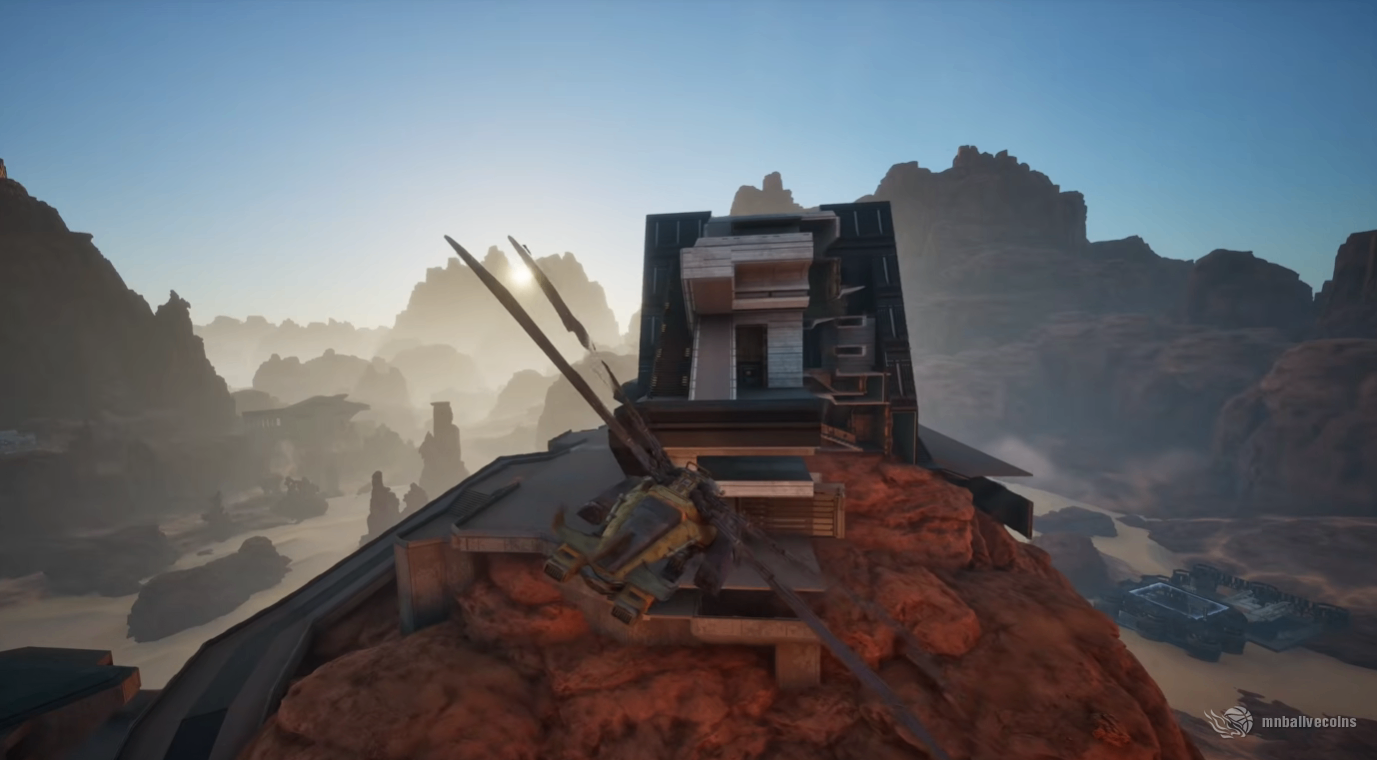
1. Two Weeks of Work Gone — The Base Collapse Problem
The biggest shock in this story is simple: a large section of the base just disappeared.
Not due to player error like removing support structures, but because of system interactions involving:
Staking unit expiration
Server base limits
Temporary building placement rules
Structural ownership updates
About 25% (or more) of the upper base section was wiped out instantly. Even more frustrating is that the rest of the build was technically stable, making the loss feel even more unfair.
This shows how in Dune: Awakening, base building isn't just about design—it's also about understanding server mechanics.
2. The Art of Base Design — Mixing Faction Building Sets
Despite the setback, the base design itself is extremely advanced.
The builder combines multiple architectural styles:
Smuggler Set (gold + dark accents)
Chome Facility Set (light gray industrial style)
Hardco/Water Shipper flooring (black textured base)
The key idea is contrast:
light gray + black + gold = a visually rich industrial sci-fi aesthetic.
However, balance is critical. Overusing darker smuggler materials makes sections feel visually heavy and reduces lighting clarity inside the base.
3. Lighting, Shape & Structure — Why Design Balance Matters
One major takeaway is how lighting and texture affect usability.
For example:
Smuggler ceilings look stylish but make interiors too dark
Chome gray sections help brighten enclosed rooms
Triangle roof transitions improve visual flow
Built-in lit staircases improve navigation and aesthetics
The builder even highlights how certain staircase designs are the only ones with a black underside, which helps maintain visual consistency.
In survival base design, aesthetics and functionality must work together—not separately.
4. Structural Engineering Tricks — Offsets, Gaps & Hidden Supports
To achieve the final design, multiple advanced building techniques were used:
Offset walls to expand internal space
Hidden structural supports behind layered walls
Window systems integrated into angled cutouts
Half-round walls used to smooth gaps and transitions
From the outside, everything looks clean and stable. But underneath, the structure is highly complex and carefully layered.
This is where cheap Dune Awakening Solari base building becomes almost engineering simulation-like, not just creative construction.

5. Design Mistakes & Mid-Build Changes
Even experienced builders make mistakes.
In this case:
A terrain boulder forced a redesign mid-project
A staircase had to be added unexpectedly
One full wing had to be elevated after discovery of blocked terrain
These mid-build adjustments show how unpredictable the environment is. You can plan perfectly, but the world itself may force redesigns at any time.
6. The Real Issue — Staking System & 5,000 Piece Limit Conflict
The real cause of the base loss comes from a combination of systems:
Temporary staking units used during construction
Final staking expiration
Base exceeding 5,000 building piece threshold
Even though the server allows modified limits (over 5,000 pieces), the staking system appears to still enforce internal restrictions.
Result:
When staking refreshed, the game deleted the overflow structure.
This creates a dangerous mismatch between builder freedom vs system validation rules.
7. What This Means for Builders in Dune: Awakening
This situation reveals an important lesson:
Even if your base is stable visually, server mechanics can still destroy it.
Players building large-scale bases need to consider:
Staking expiration timing
Server configuration limits
Total piece count tracking
Temporary structure placement strategies
Without this, even perfect designs can collapse unexpectedly.
Final Thoughts — Creativity vs System Limits
This base is a perfect example of what Dune: Awakening enables—and what it punishes.
On one hand, the game allows:
Massive creative freedom
Complex architectural layering
Highly detailed faction blending
On the other hand, it still enforces:
Hidden structural limits
Staking system constraints
Server-side validation rules
The result is a game where engineering knowledge is just as important as creativity.

Pro Tips
Always monitor total structure piece count during large builds
Avoid relying heavily on temporary staking units
Test base sections before finalizing ownership
Keep backup layouts for critical structures
Expect terrain interference in large builds
Core Value for Different Players
Base builders: Learn advanced design techniques and avoid structural loss
Survival players: Understand how base systems can affect long-term progress
Casual players: See how deep building mechanics can get in Dune
Creative designers: Get inspiration for faction-based architectural styles
Hardcore players: Understand risks of exceeding system limits in large builds
If you are interested, we invite you to visit MMOExp. We provide a convenient, secure, fast, and reliable way to obtain Dune Awakening Solari Stubs Solari, along with a range of premium services. Become a VIP member and purchase buy Dune Awakening Solari today to enjoy exclusive benefits.
Banner

News category
FC 26 MLB 26 POE 2 Diablo4 Madden 27 News Path of Exile Elder Scrolls Online GTA 6 New World Elden Ring Dark And Darker Odin Valhalla Rising EA Sports FC Lineage 2M WOW SoD Classic Skull and Bones COD Black Ops 6
Recently read
-
FC 26 Guide: Best Meta Players for the Piscinin Evolution
Jun-30-2026 PST /FC 26Looking for the perfect center-back to use in the Piscinin Evolution? Which card offers the biggest upgrade and the best long-term value? Here's everything you need to know before spending your 50,000 FC 26 Coins. Why Piscinin Evolution Is Worth CompletingThe Piscinin Evolution is one of th -
Dune: Awakening Massive Base Build Disaster & Design Breakdown — 2 Weeks of Work Lost to a Single System Glitch
Jun-29-2026 PST /Dune AwakeningSummary So I just watched a player showcase their Dune Awakening Solari base project, and honestly—it was painful and fascinating at the same time. Imagine spending two weeks building a massive, highly detailed base, only to log in and find nearly a quarter of it completely gone. Not because -
NBA 2K26 Update Guide: Secret Patch, Ghost Bump Steals, and Possible Gameplay Changes Explained
Jun-26-2026 PST /NBA 2K26SummaryNBA 2K26 has received an unexpected update, and players are trying to figure out exactly what changed. Without any official patch notes from 2K, the community has been left to test the game themselves, leading to widespread speculation about hidden gameplay adjustments. The update ranges from -
NBA 2K26 Season 8 Update Guide: New Park Features, Event Schedule, Rewards, and Gameplay Enhancements
Jun-25-2026 PST /NBA 2K26SummaryNBA 2K26 Season 8 is officially on the way, bringing one of the biggest content updates of the year. With the return of a fan-favorite Park, a fresh batch of seasonal rewards, new animations, community builds, MyTEAM content, and double XP opportunities, players have plenty of reasons to jump